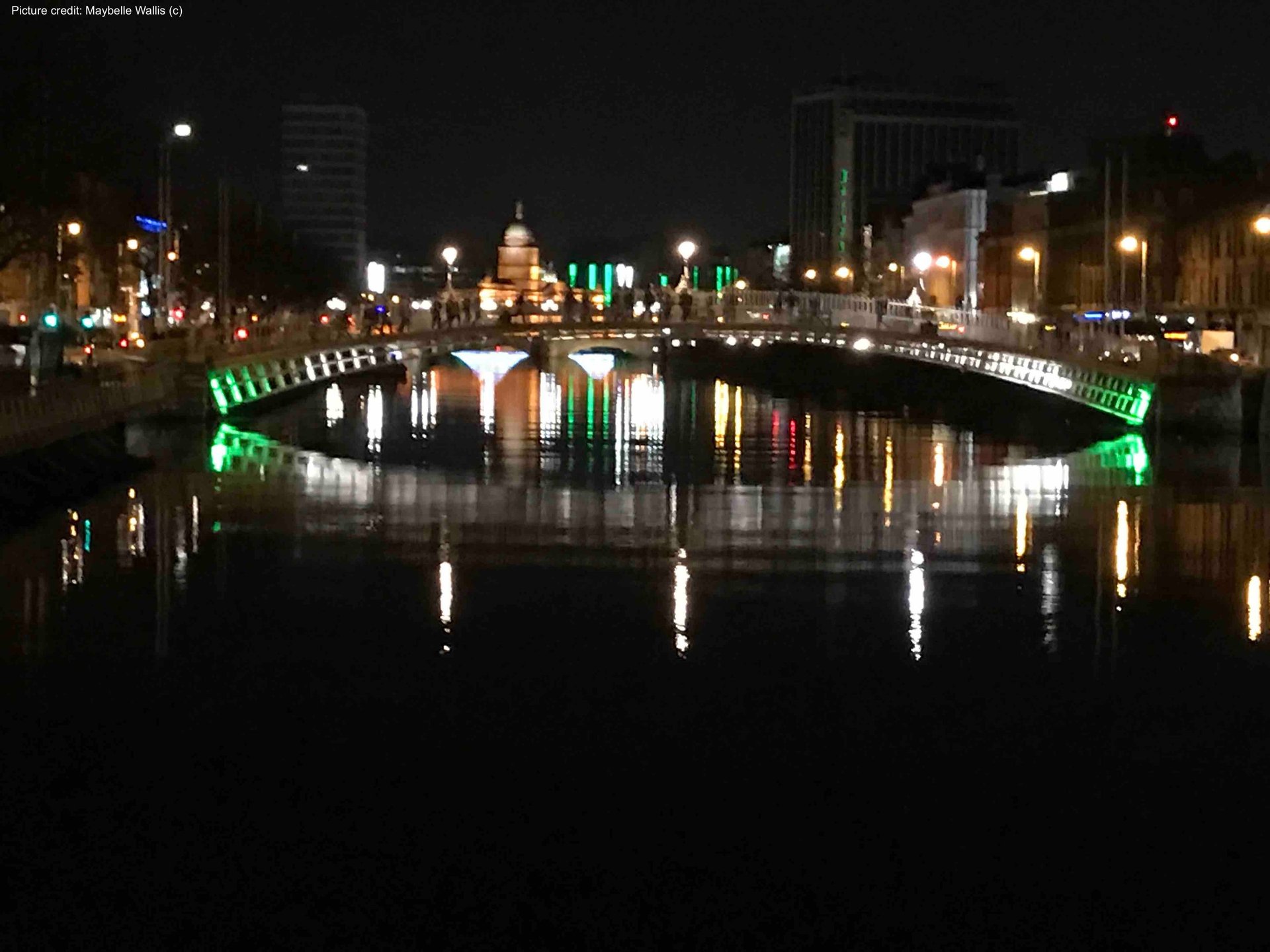
The capital city
You may have read in James Joyce’s Ulysses about the seamy side of Dublin. Sadly, as in most capital cities, this still exists in a modern form. Please be careful in central Dublin, where there are occasionally unfortunate incidents involving tourists. Don’t venture too far from the beaten path at night. Read safety tips here: https://irelandexplore.com/dublin-safety-guide/.
Ireland will hold the Presidency of the Council of the European Union from 1 July 2026 to 31 December 2026, when some attractions including Dublin Castle and the Chester Beatty Museum will be closed to the public.
Dublin
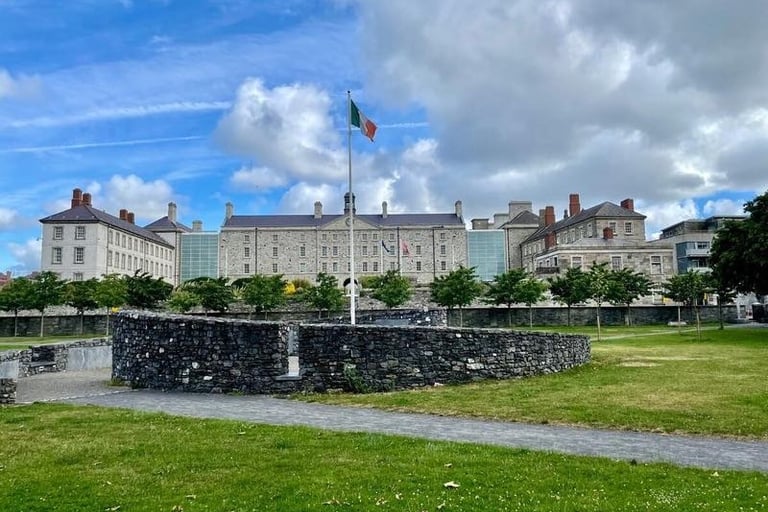
National Museum of Ireland - Decorative Arts, Design and Military History
https://www.museum.ie/en-ie/home
Collins Barracks, Benburb Street, Dublin 7, D07 XKV4
Explore Ireland’s evolving culture with our Decorative Arts, Design and Military History Collection, beside Dublin’s River Liffey.
Free Admission.
Opening hours:
Tuesday - Saturday: 10am-5pm
Sunday - Monday: 1pm-5pm
Some of the permanent exhibitions include:
• Reconstructed Rooms: Four Centuries of Furnishings, a series of room settings, from the 17th century with oak furniture and panelling, through the refined splendour of Georgian Ireland to the high style of the 19th century.
• The Way We Wore: This exhibition displays clothing and jewellery worn in Ireland principally from the 1760s to the 1960s. Although many still think of ‘Irish Dress’ in the context of woollens worn in the West of Ireland, this exhibition shows that in the past the majority of Irish people, even those who wore locally woven fabrics (silk, linen, wool and cotton), dressed in styles that competed with the fashion conscious of Europe.
• Irish Country Furniture: This exhibition contains the furniture typically found in the traditional rural Irish home. Central to the display is a re-construction of a country kitchen, which contains chairs, a settle bed, storage furniture such as a meal bin and food cupboard, a dresser, a kitchen table and hearth furniture, along with examples of cooking and eating utensils, to illustrate how an Irish country kitchen was arranged, and the importance of this area of the house as the heart of the home.
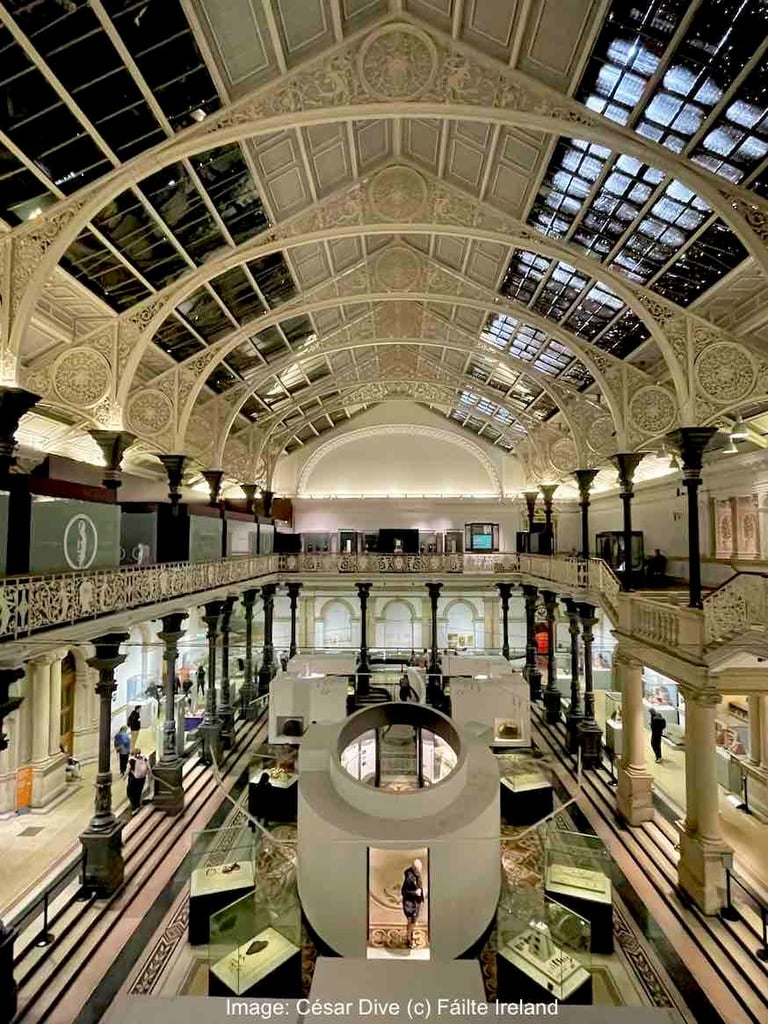
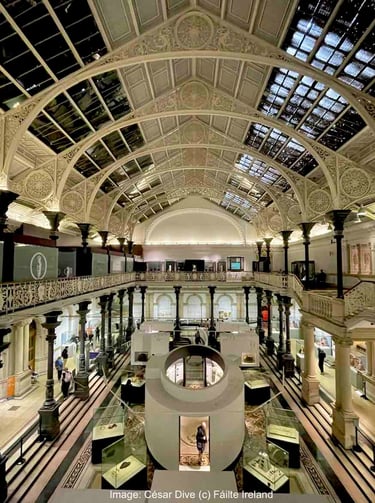
National Museum of Ireland - Archaeology
Kildare St, Dublin 2, D02 FH48
+353 1 677 7444
https://www.museum.ie/en-IE/Museums/Archaeology
Free Admission.
Opening hours
Tuesday to Saturday, 10am to 5pm
Sunday and Monday 1pm - 5pm
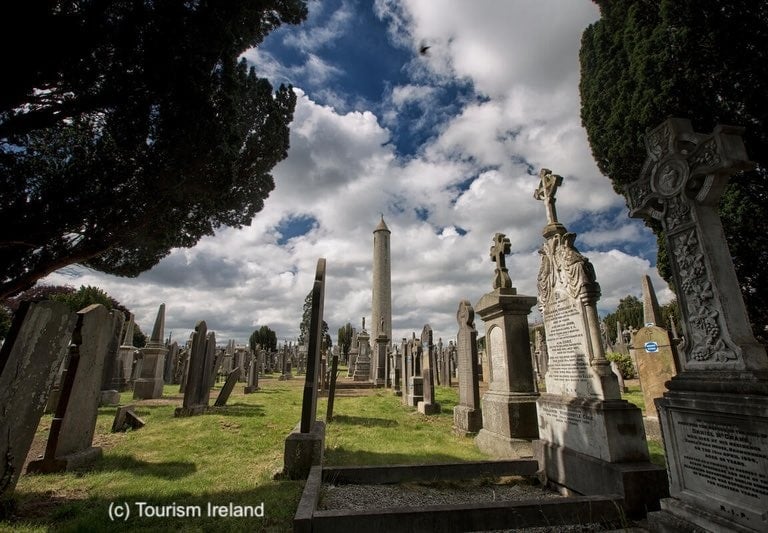
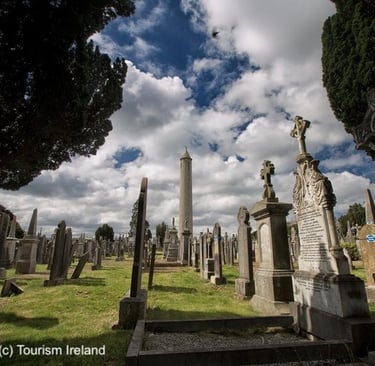
Glasnevin - Ireland's National Cemetery
https://www.dctrust.ie/experience-glasnevin.html
The stories of 1.5 million people are faithfully preserved here at Ireland's largest burial place, a beautifully restored Victorian cemetery featuring epic monuments to Ireland's past. From poets and presidents, singers and suffragettes, the ordinary and the extraordinary - the stories of those who shaped our nation's history are brought to life.
Duration of guided tours: 1-2 hours
Tickets: From approximately €15 per adult
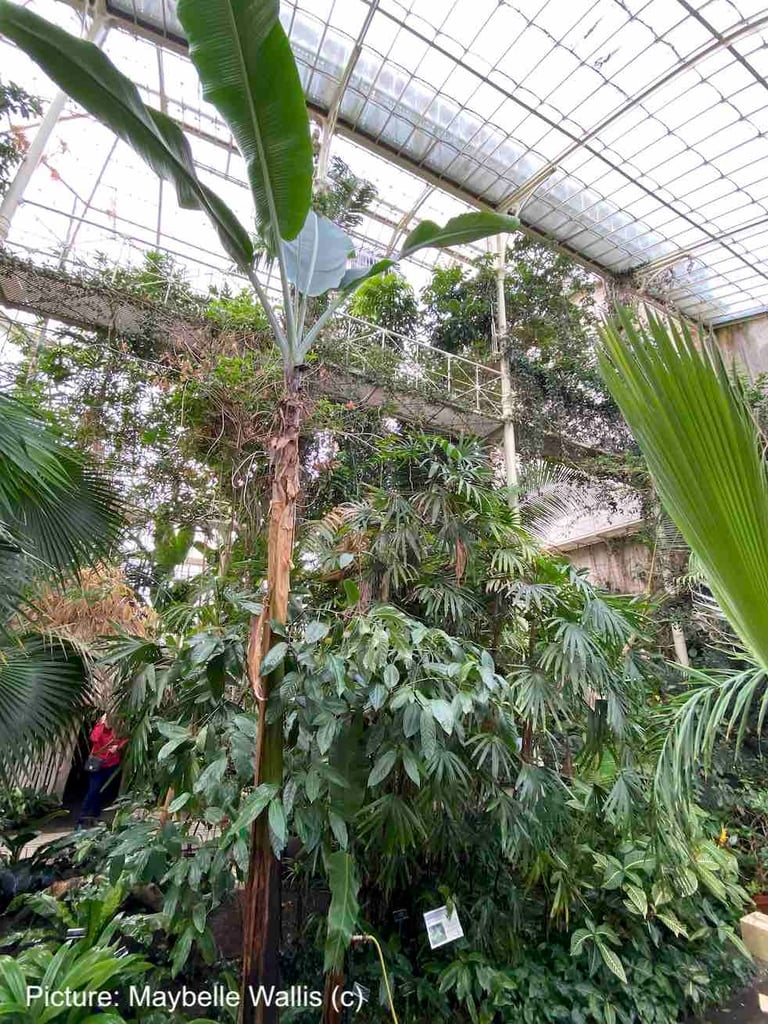
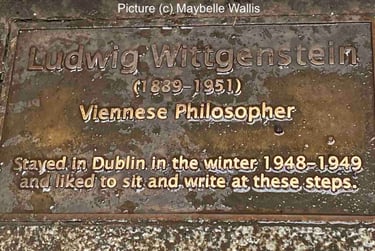
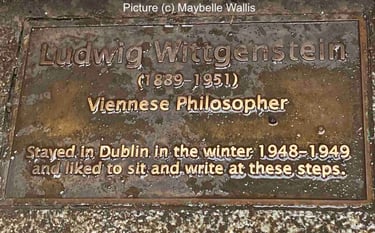
Nearby are the National Botanical Gardens with their gorgeous 19th Century glasshouses in which Ludwig Wittgenstein the Viennese philospher used to sit and write.
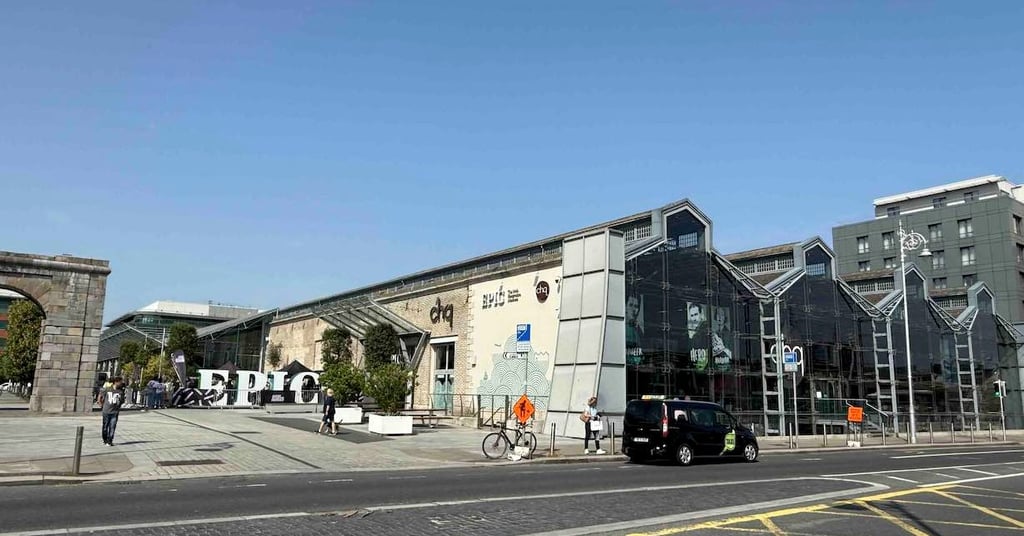
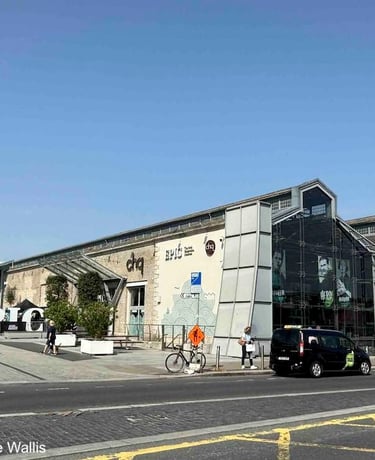
EPIC: The Irish Emigration Museum
EPIC: The Irish Emigration Museum, CHQ, Custom House Quay, Dublin 1, D01 R9Y0
Tel: +353 (0)1 906 0861
Experience Ireland on a deeper level at EPIC The Irish Emigration Museum, exploring how Irish identity extends beyond the island’s shores. Through the tales of emigrants who became scientists, politicians, poets, artists and outlaws worldwide, find out why 'I’m Irish' is one of the world’s most engaging conversation starters. Admission charge: From €21
Moored on the quay outside is the Jeannie Johnston Famine Ship. Take the time also to visit the iconic Famine Memorial, a group of sculptures on Custom House Quay by the sculptor Rowan Gillespie.
Trinity College Dublin and The Book of Kells
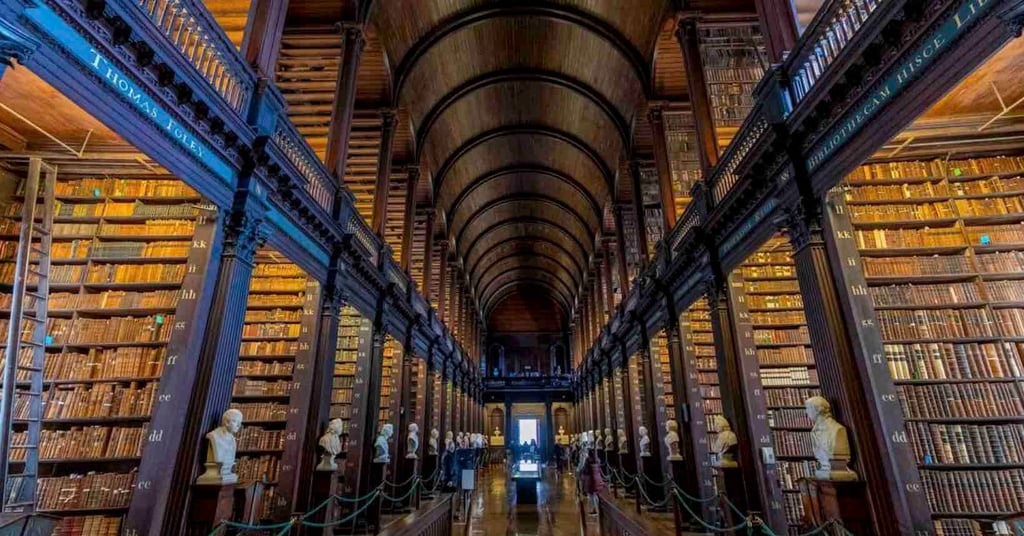
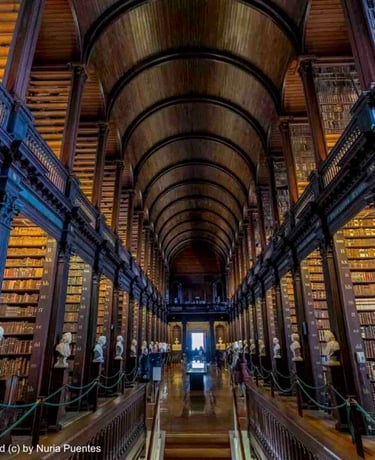
Trinity College Dublin is Ireland’s oldest university and home to its greatest cultural treasure, the Book of Kells. A precious 9th century manuscript containing the four Gospels of the New Testament, the Book is on display as part of the Book of Kells Experience. Located in the Old Library, visitors first view the Book before marvelling at the Long Room, considered to be one of the world’s most beautiful libraries.
Admission charge: From €21.50
Museum of Literature Ireland
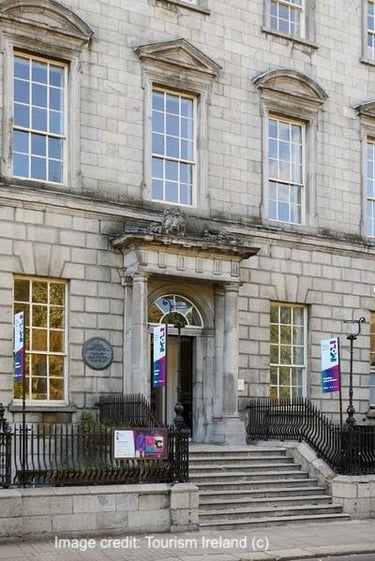
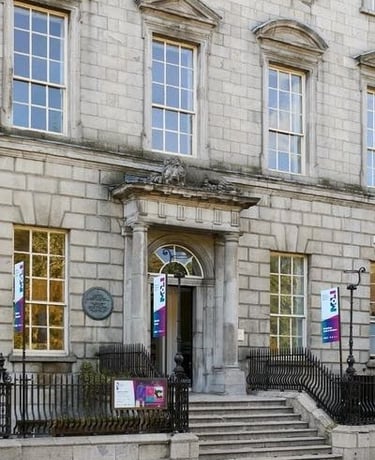
Museum of Literature Ireland, Newman House, 86 St Stephen's Green, Dublin 2, D02XY43
https://moli.ie Email: hello@moli.ie Phone: +353 1 7165900
Opening times: Monday – Sunday, 10am to 5pm. Last admissions at 4pm. Note: The museum is closed 17 March, 24-26 December, and 1 January.
At MoLI, Irish writing comes alive through voice, space, sound and story. Manuscripts and immersive installations bring Ireland's greatest writers vividly to life. Journey through Ireland's literary history, wander in beautiful historic architecture and relax amid the birdsong in the tranquil gardens and café. You can also book an expert-led guided tour and uncover the stories behind our exhibitions and the historic rooms of Newman House.
Whitefriar Street Church (holds St Valentine’s relics)
56 Aungier St, Dublin 2, D02 YF57
Free to visit
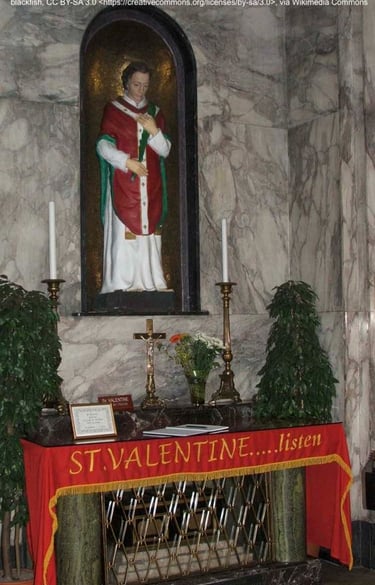
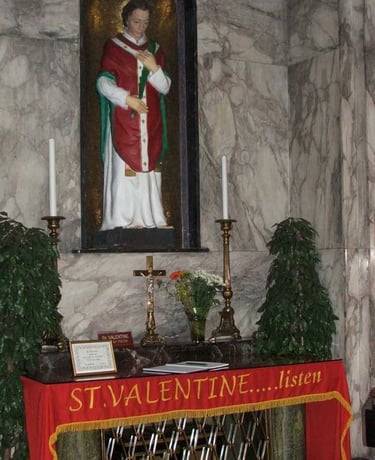
Located in Dublin City Centre, Whitefriar Street Church was founded in 1279 and since 1974 has been run by the Order of Carmelites. It is home to the relics of St Valentine, a gift from the Vatican.
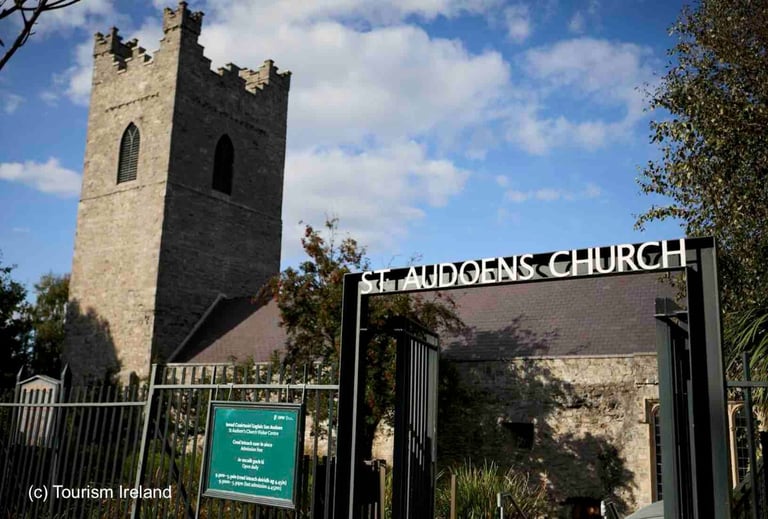
St Audoen’s Church and Visitor Centre
Free admission.
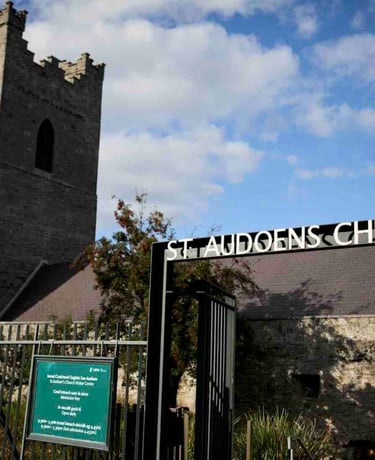
Situated in the heart of Dublin’s Old City, St Audoen’s is the capital’s only remaining medieval parish church. It is dedicated to St Ouen, the 7th-century bishop of Rouen and patron saint of Normandy.
St Audoen’s Church is found in the heart of the old medieval city of Dublin and is the only remaining parish church of its time.
https://heritageireland.ie/places-to-visit/st-audoens-church-visitor-centre/
James Joyce Centre
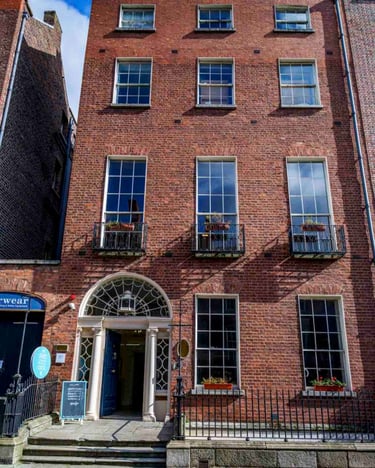
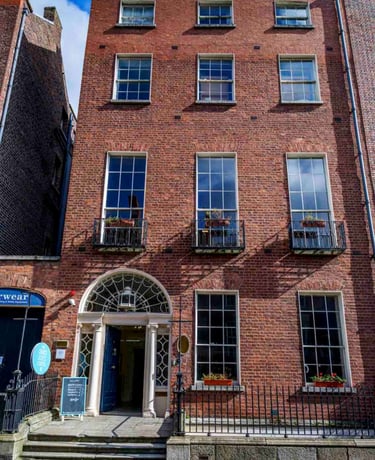
Situated in a stunning Georgian townhouse in Dublin’s North Inner City, the James Joyce Centre offers visitors historical and biographical information about James Joyce and his influence upon the literary world.
Every Thursday, Friday and Saturday at 11am, the James Joyce Centre offers two walking tours: Introducing Joyce’s Dublin and Footsteps of Leopold Bloom.
Introducing Joyce’s Dublin takes you through North Central Dublin, where much of Joyce’s work is set. It is a historic and bustling part of the city that Joyce was intimately familiar with. Their guide will take you to such places as Belvedere College, St. George’s Church, Hardwicke Street, No. 7 Eccles Street, the Parnell Monument, the Gresham Hotel, and the James Joyce Statue.
Footsteps of Leopold Bloom retraces Leopold Bloom’s exact route in the ‘Lestrygonians’ episode of Ulysses. Their guide will explain Bloom’s various observations about life, the city, and the theme of the episode: food! Famous stops include O’Connell Bridge, Trinity College, the Bank of Ireland, Grafton Street, Davy Byrnes, and the National Museum.
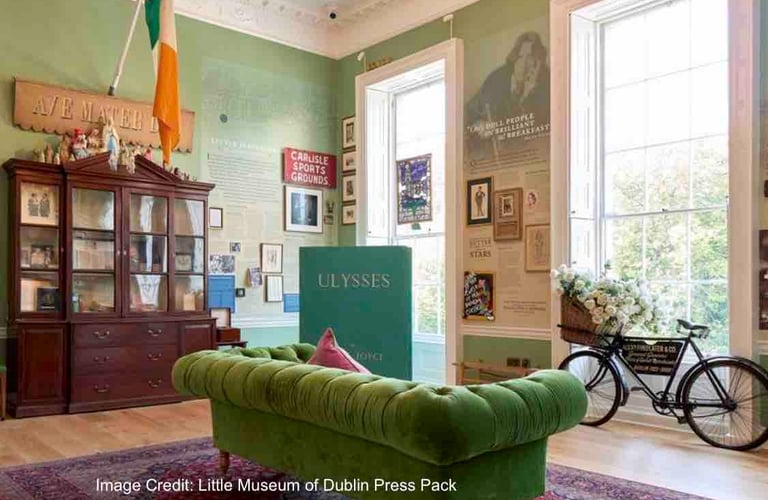
The Little Museum of Dublin
15 St. Stephen’s Green, Dublin 2, D02 Y066
+353 1 6611000
Hello@littlemuseum.ie
Presents an overview of the history of Dublin in a short period of time, through an eclectic collection of items. The tour takes 29 minutes and the guides are engaging and entertaining.
Entrance: €18 per adult; €16 for seniors.
Guided tour only. Prebooking is essential.
14 Henrietta Street
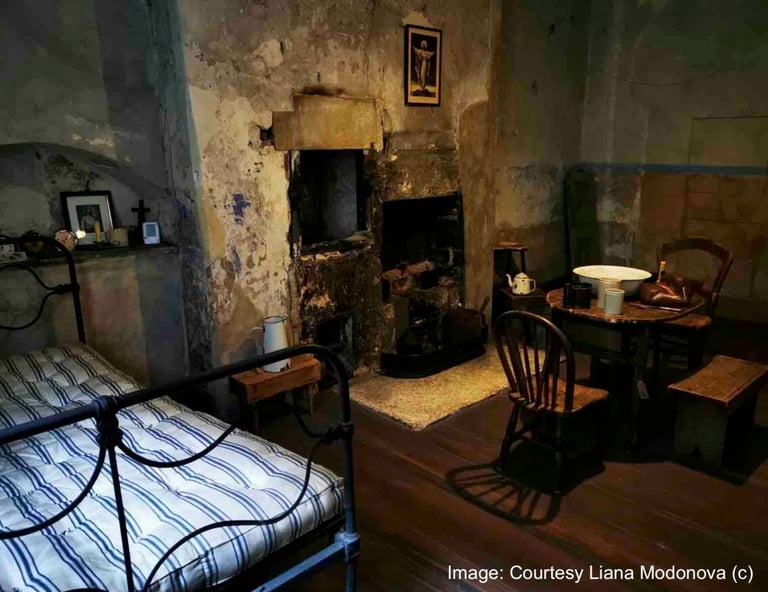
14 Henrietta Street is a must-see for anyone with an interest in the history of Dublin City. See the house, hear its stories and discover the layers of Dublin history within its walls, going back 300 years.
Nominated for European Museum of the Year 2020, 14 Henrietta Street captures over 300 years of family and city life within the walls of one address. Intimate guided tours bring visitors on a truly moving journey from the houses’ grand Georgian beginnings to the impoverished tenement dwellings of its later years.
Full price €10. Over 60s €8.
Access to 14 Henrietta Street is by guided tour only. Tours run Wednesday to Sunday on the hour from 10 am to 4 pm. We are closed on Mondays and Tuesdays. Tours are 75 minutes long. You can book in person, online or over the phone at +353 1 524 0383. If you have any queries, please email info@14henriettastreet.ie.
Genealogy Service, National Library of Ireland
The Genealogy Service at the National Library on Kildare St, Dublin has helpful resources, knowledgeable staff and a selection of information leaflets to guide you on your family history research journey.
The National Library of Ireland is a great place to begin discovering your family history. They recommend that you read their information booklet "Family History Research: Sources at the NLI", then visit their Genealogy Advisory Service which offers free advice and resources for tracing your family. They have a number of searchable databases on computer and microfilm.
They offer a free Family History Service to assist researchers who require additional help in their search for their ancestors. They also provide free access to a number of genealogy subscription sites in all their reading rooms.
Please note that a reader’s ticket is required to access the Family History Room. You may apply for a reader’s ticket using our online application form. It is advisable to do this before you travel to avoid disappointment.
https://www.nli.ie/family-history
While you are at the NLI, don’t miss the beautiful and immersive WB Yeats exhibition in the NLI basement, or the Seamus Heaney exhibition 'Listen Now Again' at the Bank of Ireland Cultural and Heritage Centre, Westmoreland Street, Dublin 2, D02 VR66, both free of charge.
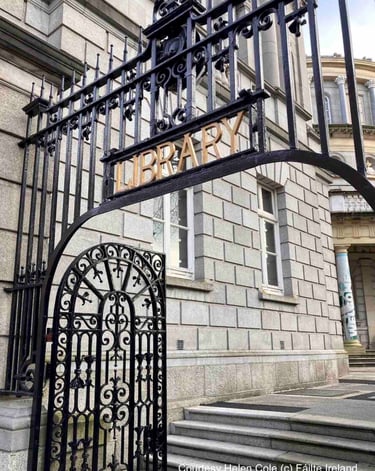
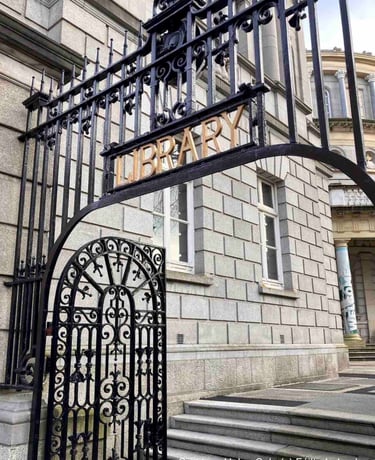
Oscar Wilde House
1, Merrion Square North, Dublin
The house where Oscar Wilde grew up, in the brilliant and Bohemian household of his mother, Jane Francisca Wilde, writer, feminist and Irish nationalist, and his father William Wilde, ear and eye surgeon, expert antiquarian, travel writer, and author of the Irish Census reports for 30 years.
The astounding story of the Wilde family is narrated in a guided tour on Saturdays at 6 pm, for which advance prebooking is essential.
Kilmainham Gaol
Inchicore Road, Kilmainham, Dublin 8. General Enquiries: 00353 145 35984
kilmainhamgaol@opw.ie
https://www.kilmainhamgaolmuseum.ie/
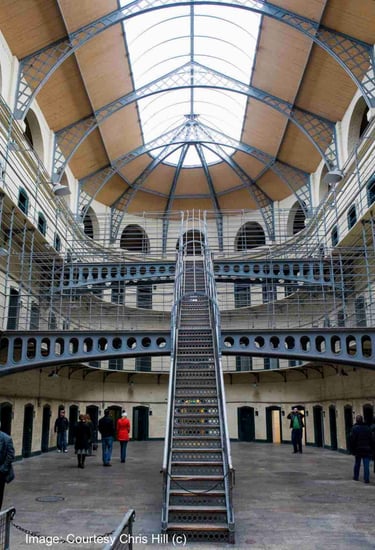
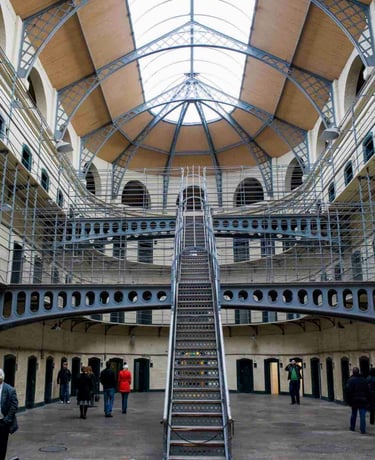
For over 100 years Kilmainham Gaol held thousands of men, women and children for crimes that ranged from minor offences to being involved in some of the most momentous events in Irish history
A visit to Kilmainham Gaol will take you on a journey through Irish history. You will discover the stories of people held here as ordinary criminals alongside those who fought for Irish independence. From the 1798 rebellion, to the 1916 Easter Rising, the Anglo-Irish War (1919-21), to the devastation of the Irish Civil War (1922-23) all these important events have a chapter in the story of Kilmainham Gaol.
It is advisable to book tickets well in advance as this popular visitor attraction can often be booked up weeks ahead. Adult tickets are €8.
Dublinia
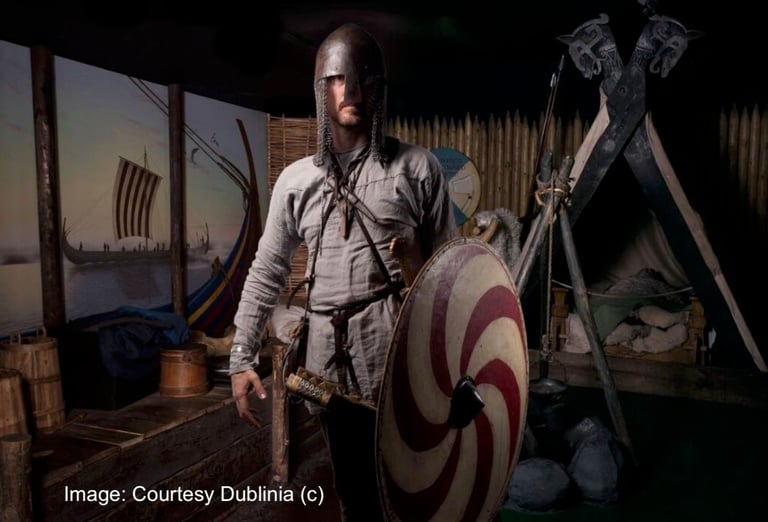
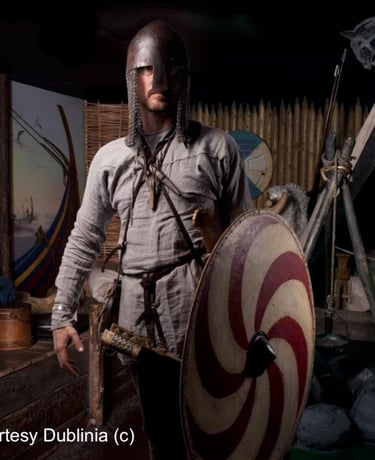
Welcome to the heart of Viking and Medieval Dublin. Travel back to the heart of the old city at Christchurch. Walk where Vikings walked before, step into Medieval Dublin and find out about Dublin’s rich past and even climb an original Medieval tower. See Dublin from a new perspective and come away knowing more about its citizens through the ages. Dublinia Viking and Medieval Museum in Dublin is a not-for-profit charitable trust.
Open Daily from 10.00am to 6.00pm (last entry 5.00pm).
Adult Price: From €18
The Dublin Bookshop Crawl
Independent bookshops across Dublin city centre have teamed up to create a guided map. Head along to any on the shops on the trail, pick up a free map and enjoy!
Also on Instagram:
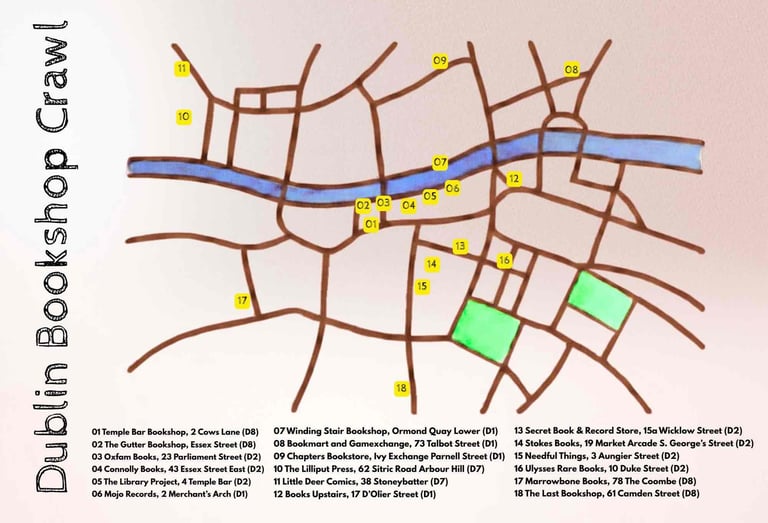
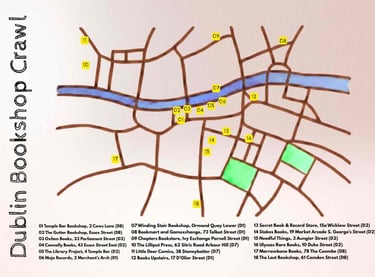
Map by kind permission of Tim Collie, templebarbookshop.com
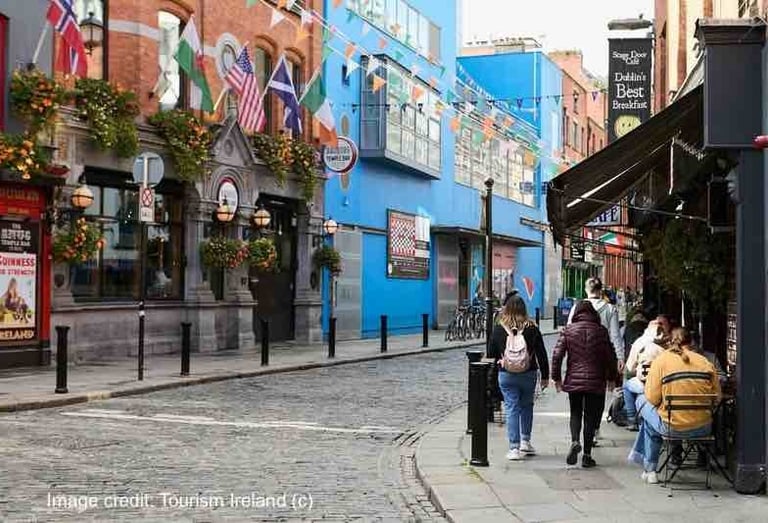
Temple Bar
Temple Bar is famous as Dublin’s tourist destination, with many coming for bars, restaurants and nightlife. The Temple Bar Pub is streamed live on the web 24/7 allowing viewers to experience the atmosphere from anywhere in the world.
But there is a lot more to the area than stag and hen parties. The area also has a wealth of cultural venues, with 24 different arts organisations headquartered in the area, including: the Irish Film Institute, The Temple Bar Gallery, Smock Alley Theatre, the Irish Rock'n'Roll Museum and the children’s arts centre, The Ark.
Bewley’s Café, Grafton Street
https://bewleysgraftonstreet.com/
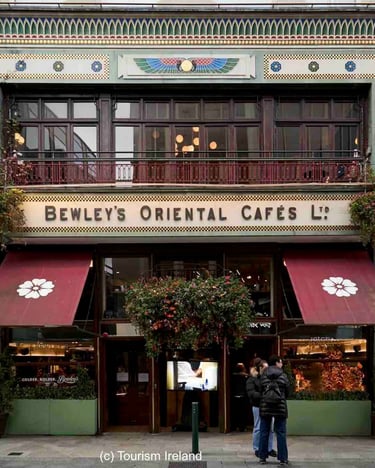
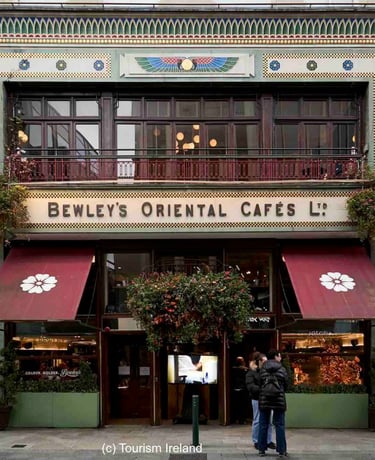
Steeped in history and brimming with passion for Dublin’s vibrant café culture, Bewley’s on Dublin's bustling Grafton Street has been an integral part of the city’s fabric since 1927. Dominating the café’s ground floor is the inimitable Harry Clarke window, whose stained-glass creations infuse the space with an ethereal luminescence.
Hop-on Hop-off sightseeing tours to Dublin attractions
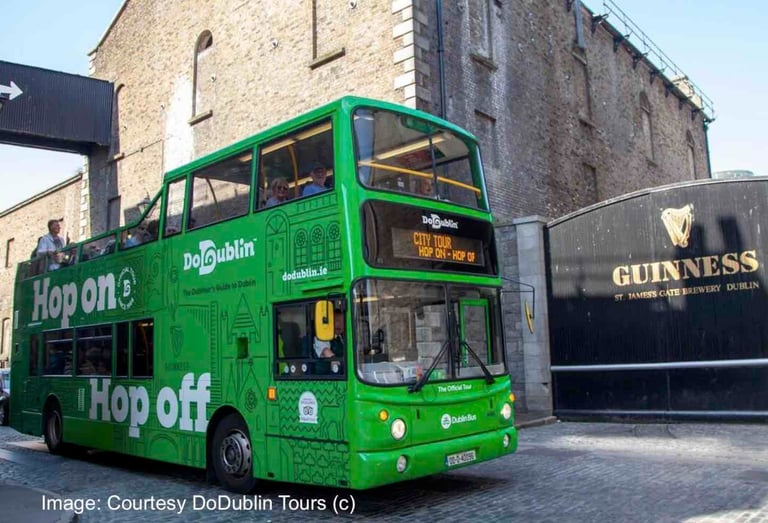
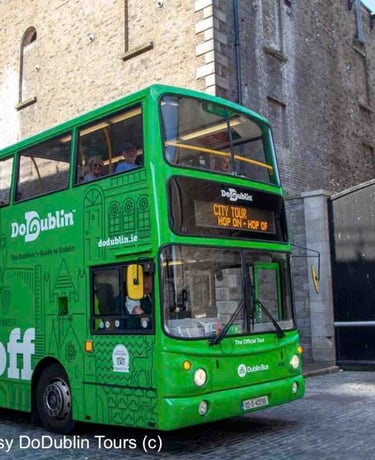
These are guided tours of the main tour sites around Dublin, with the bus drivers breaking into information, jokes, observations and even song. The whole tour can take about 90 minutes, depending on if you stay on the bus or hop off at different sites. Make sure you choose a live driver commentary rather than a recorded commentary tour. Options are available for 24, 48 etc., hours and for different routes. Tickets: approximately €34 per adult. Hop-on Hop-off Sightseeing tours are run by various operators in Dublin, including:
Big Bus Dublin Hop-on Hop-off:
https://www.bigbustours.com/en/dublin/dublin-bus-tours
City Sightseeing Dublin:
Do Dublin Hop-on Hop-off:
Transport around Dublin using trams, buses and trains
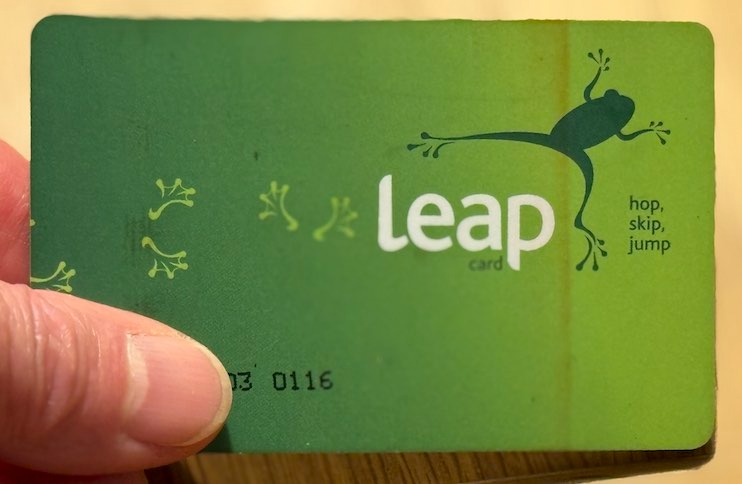
You can buy tickets for Dublin’s trains (including DART trains and Commuter trains, https://www.dublinpublictransport.ie/dublin-trains), trams (Luas, https://www.dublinpublictransport.ie/dublin-trams) and buses (https://www.dublinpublictransport.ie/dublin-buses) at individual stations. However, it is cheaper to use a ‘Leap Card’ to travel around Dublin on public transport. This is a smartcard ticket which saves you up to 31% on your travel.
You tap the card on entering buses at the start of your journey only. On Luas and trains you tap on and tap off and at the card validators on the station platforms.
You can buy a Leap Card from: Spar Supermarket, Terminal 2, Dublin Airport, from An Post Offices, at vending machines in main Irish Rail Stations, and at numerous other retail outlets nationwide. You can also order online but you need to allow time for it to be posted to your home address.
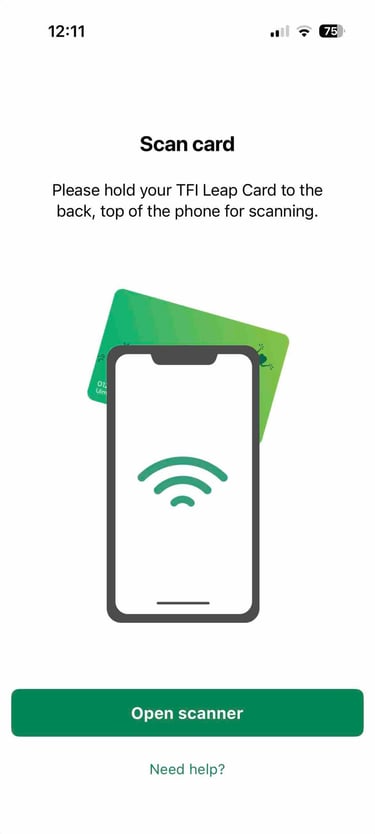
Your Leap Card can be topped up at ticket vending machines at Irish Rail and Luas (Dublin tram) stations, or using the Leap Top Up App on your smartphone. For more information:
"When the legend becomes fact, print the legend..."
Subscribe for email updates:
© 2025, 2026. All rights reserved.
Web design: Maybelle Wallis
Special thanks to Ireland's Content Pool for permission to use images
Contact the HNS 2026 team:

Proudly sponsored by Fáilte Ireland, by the Irish Writers' Union, and by Larbok Creative:

Extend your stay - Discover Ireland!

Hosting Irish PEN: