Keynote speakers
Plus: Karen Sullivan, Lia Mills, Katherine Mezzacappa, Paula Campbell...


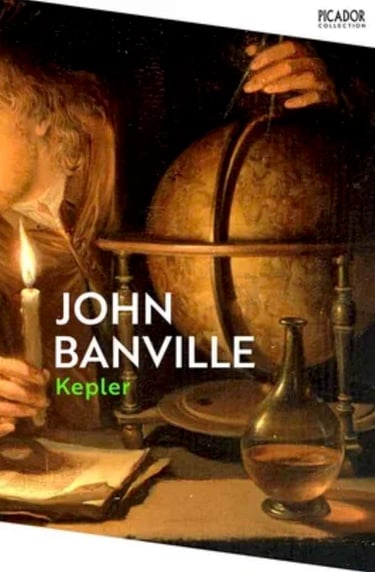
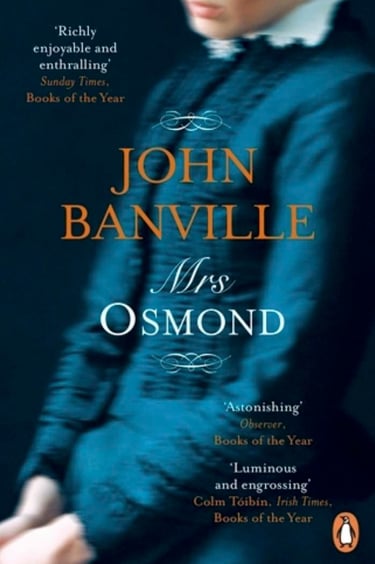
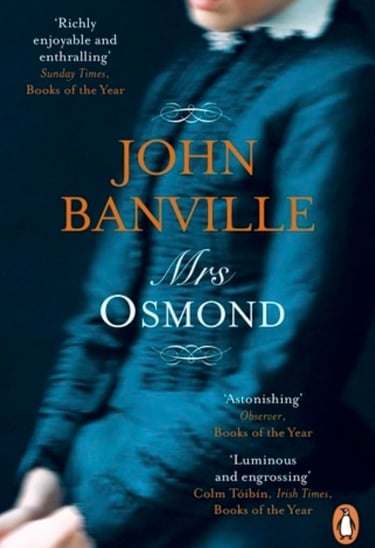
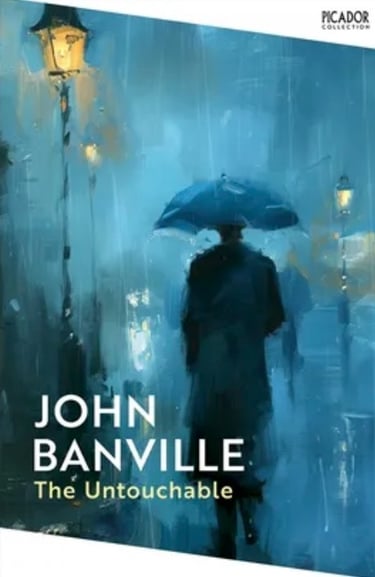
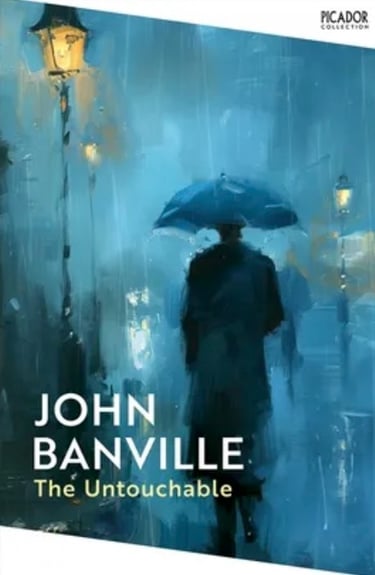
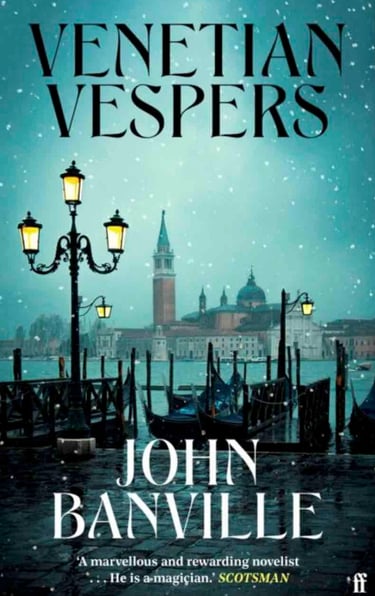
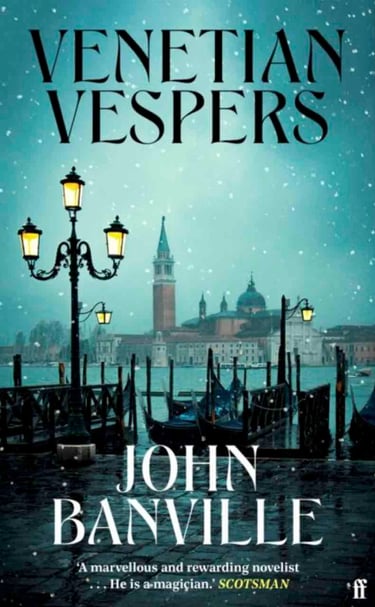
Click on book covers for purchase links
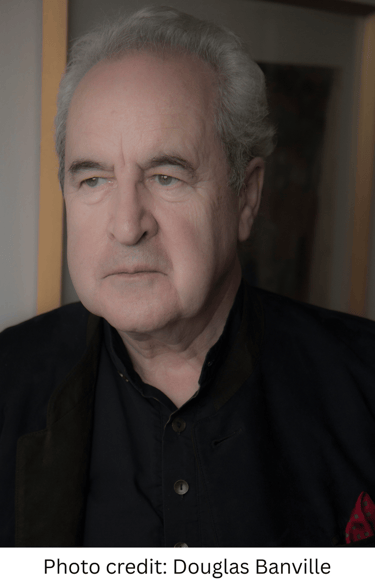
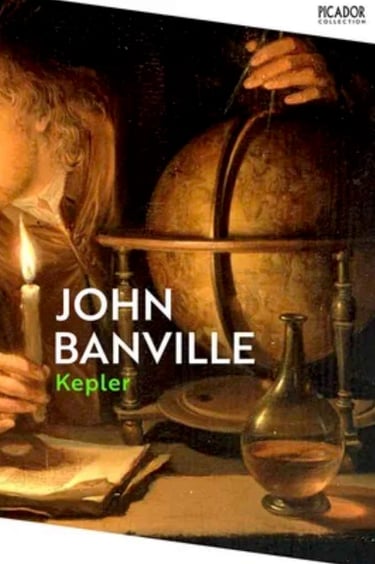
Born in Wexford, Ireland, in 1945, John Banville is the author of many novels, historical and contemporary.
His historical fiction includes ‘The Untouchable’, ‘Mrs Osmond’ and ‘Venetian Vespers’ as well as the ‘Revolutions Trilogy’ focusing on the history of science and comprising ‘Kepler’, ‘Doctor Copernicus’ and ‘The Newton Letter’. Writing also as Benjamin Black, he created the Stafford and Quirke historical crime series, twice nominated for the CWA Historical Dagger, as well as ‘Wolf on a String’, historical crime set in 16th C Prague, and ‘Black Eyed Blonde’, a Chandler-inspired tale of Philip Marlowe.
John Banville has won the Allied Irish Banks fiction prize, the American-Irish Foundation award, the James Tait Black Memorial Prize, the Guardian Fiction Award, the Franz Kafka Prize, a Lannan Literary Award for Fiction, and the Prince of Asturias Award for Literature. In 1989 ‘The Book of Evidence’ was shortlisted for the Booker Prize, and was awarded the first Guinness Peat Aviation Award; in Italian, as ‘La Spiegazione dei Fatti’, the book was awarded the 1991 Premio Ennio Flaiano. ‘Ghosts ‘was shortlisted for the Whitbread Fiction Prize 1993 and ‘The Untouchable’ for the same prize in 1997. In 2003 he was awarded the Premio Nonino. In 2005 he won the Booker prize for ‘The Sea’.
He worked in journalism from 1969, as a sub-editor on The Irish Press and from 1986 at The Irish Times, where he was Literary Editor from 1988 to 1999. He has also authored many scripts for stage, television, film and radio.
John Banville
Katherine Mezzacappa
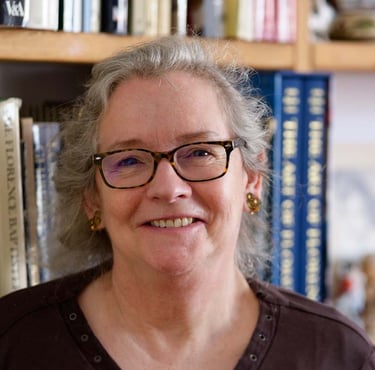
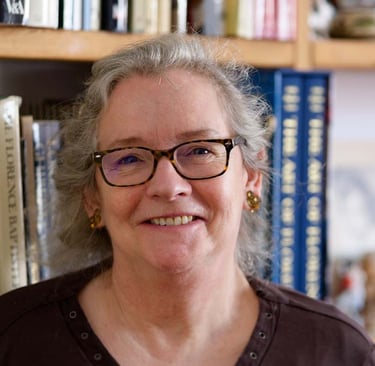
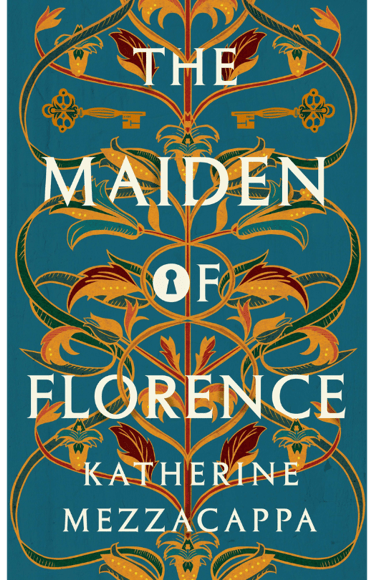
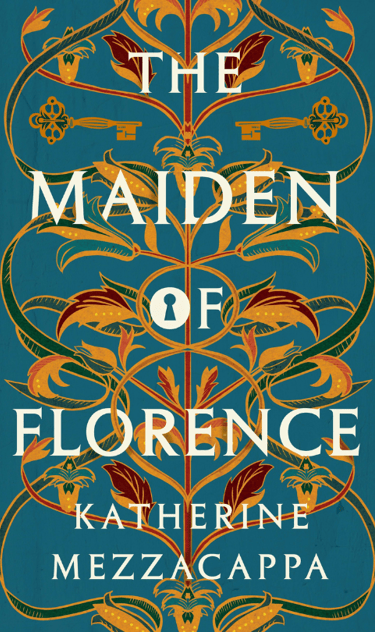
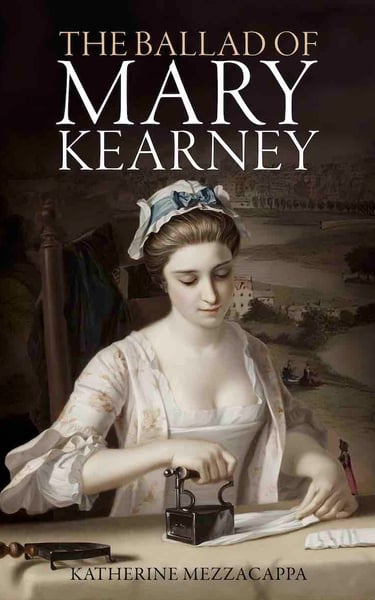
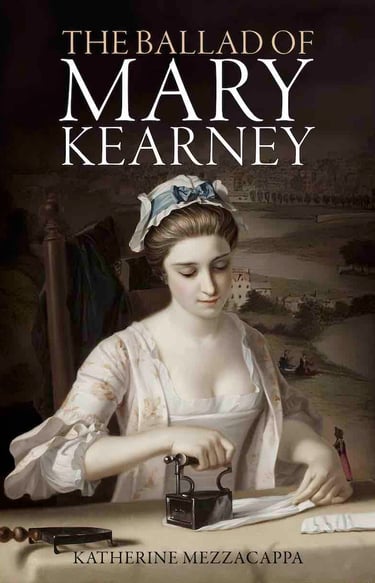
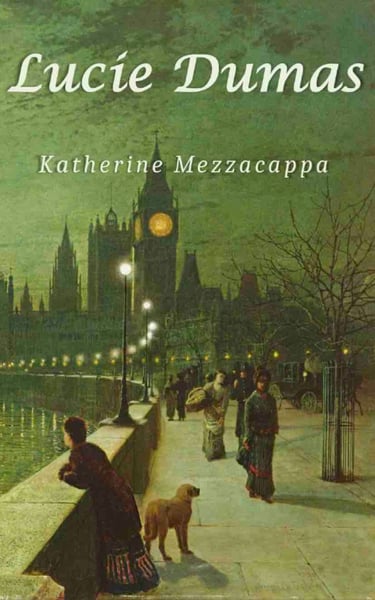
Katherine is from Carrickfergus but has lived in Italy for the last twenty years. She is the author of The Maiden of Florence (Fairlight, 2024) and The Ballad of Mary Kearney (Histria, 2025). Writing as Katie Hutton, she is also the author of The Maid of Lindal Hall (2023), Annie of Ainsworth's Mill (2022), The Gypsy's Daughter (2021) and The Gypsy Bride (2020), all with Zaffre. She regularly reviews for the HNS and was on the organising committee of the Durham Conference in 2022 and Dartington in 2024.
She is a committee member of the Irish Writers Union and also work as a manuscript assessor for TLC (London) and for the Romantic Novelists Association. Katherine is represented by Annette Green Authors’ Agency.
John Banville will be in conversation with
Paula Campbell
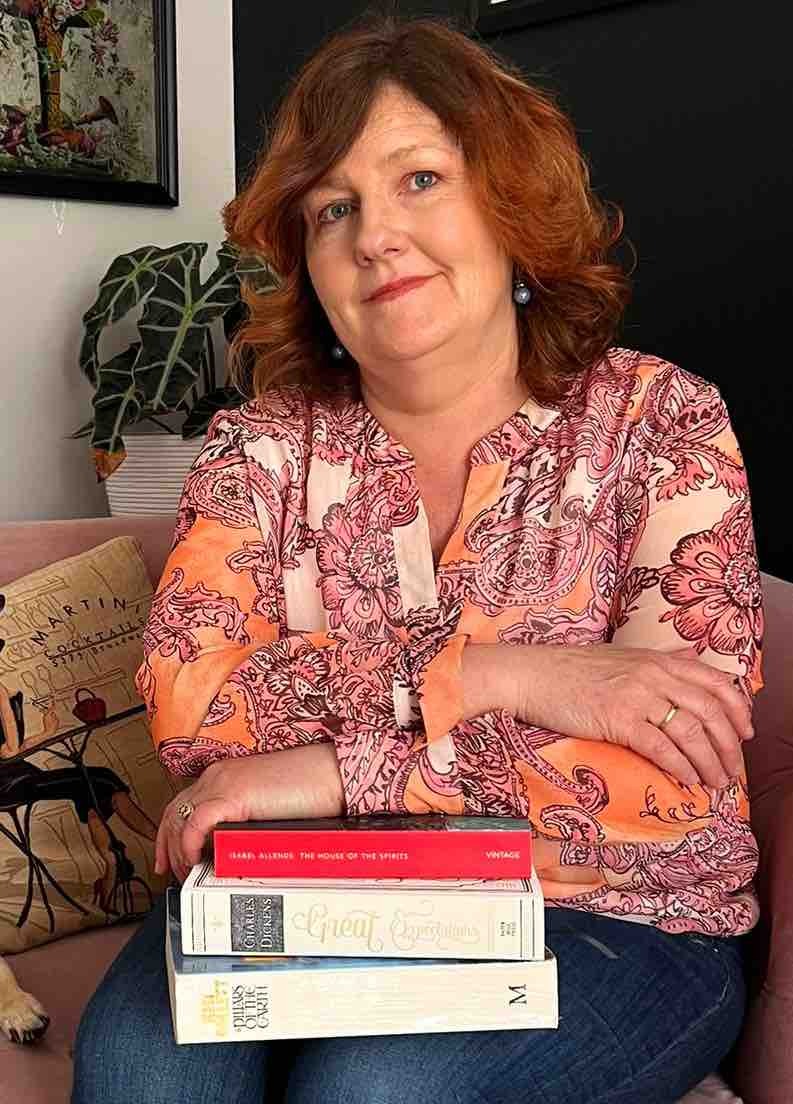
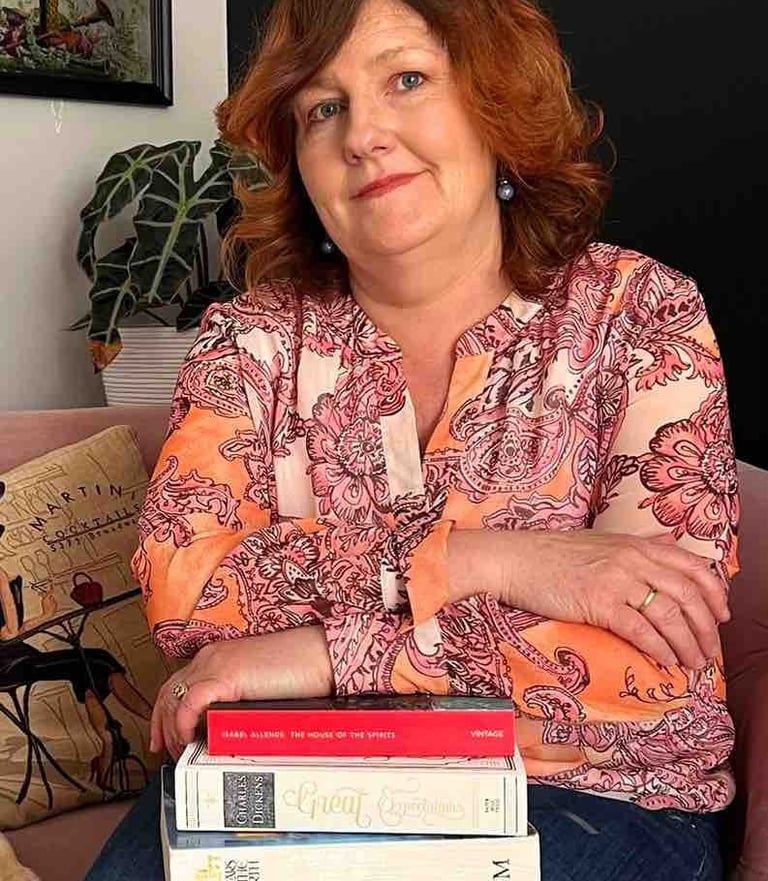
Paula Campbell is Publisher at Poolbeg Press, one of Ireland’s leading independent book publishers.
She began her career in the bookselling world in Dublin, working in a bookshop and then in wholesale and marketing roles.
After gaining experience in various facets of the book trade, she joined Poolbeg in a sales and marketing role and was later appointed Publisher by founder Philip McDermott. She has held this role for about 25 years.
In her role as Publisher she reads submitted manuscripts (often the first three chapters), works with editors and designers, oversees the book production process, and is deeply involved with acquiring new writing—particularly from Irish authors.
Martina Devlin
Martina Devlin is an award-winning journalist, novelist, short fiction writer and playwright.
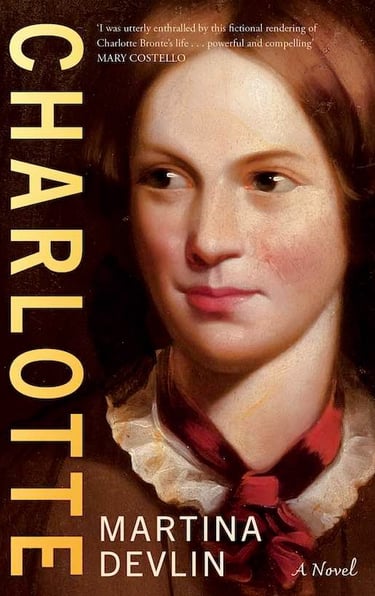
Her novels include: ‘Edith’, about The Irish R. M. co-author Edith Somerville during Ireland’s turbulent 1920s; ‘Charlotte: A Novel’ about Charlotte Brontë; ‘The House Where It Happened’, a ghost story of Ireland’s only mass witchcraft trial in 1711; and ‘Ship of Dreams’ about the Titanic (Martina’s great-uncle, who was eloping, drowned when it sank). Her forthcoming novel, 'Glorious Monsters', is about Mary Shelley.
Her short story collection ‘Truth & Dare’ features inspirational women from Irish history. One of the stories was adapted as a play, ‘What Would The Countess Say?’ Another play, ‘Curves of Emotion’, explored Nora Barnacle’s influence on James Joyce’s work.
Martina won a Hennessy Literary Award for her first short story in 1996, and has won or been shortlisted for a variety of literary awards including the Royal Society of Literature’s VS Pritchett Prize.
She writes weekly current affairs columns for the Irish Independent and has been named National Newspapers of Ireland columnist of the year. She programmes and chairs literary and current affairs events, and is a regular commentator on BBC and RTÉ.
Martina holds a PhD in literary practice from Trinity College Dublin, where she was awarded the Pyle Bursary for her research. She has taught Irish literature there and in other universities. She was born in Omagh and lives in Dublin.
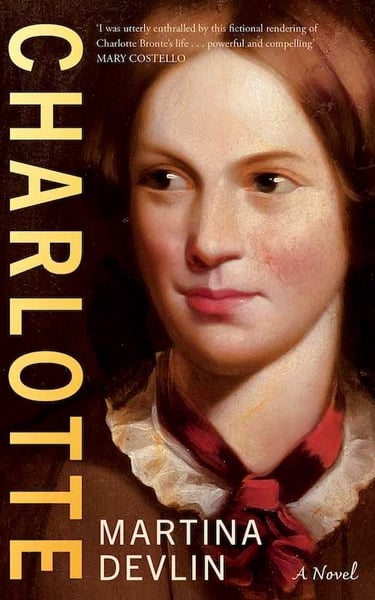
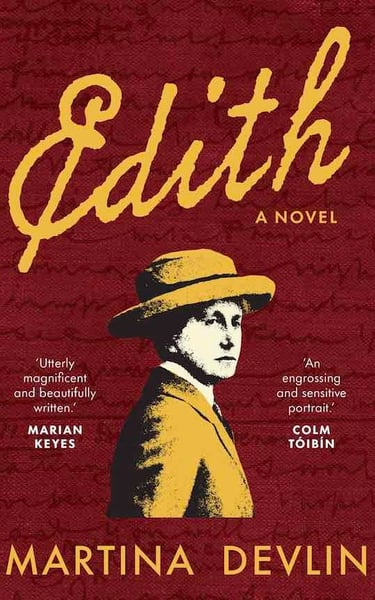
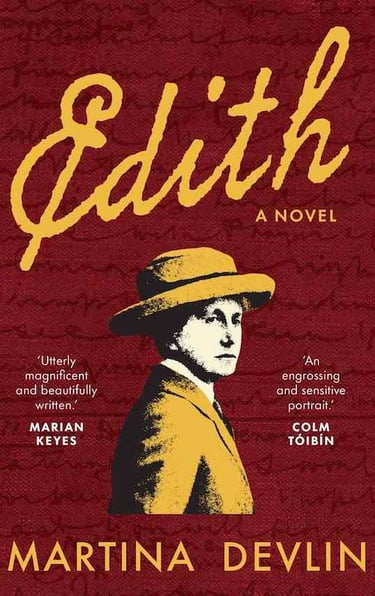


Martina Devlin will be in conversation with
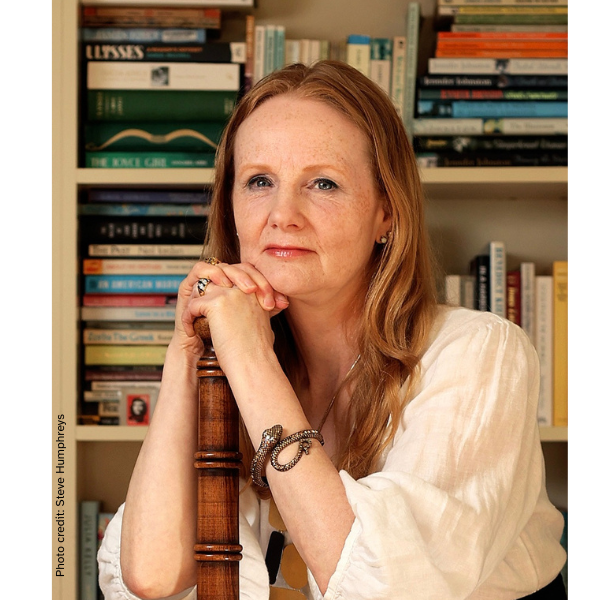
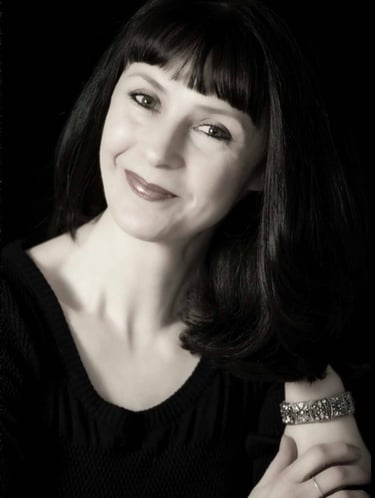
Lia Mills
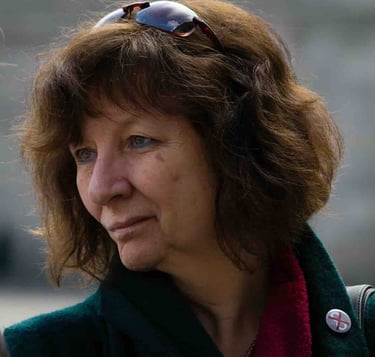
Picture credit: Simon Robinson
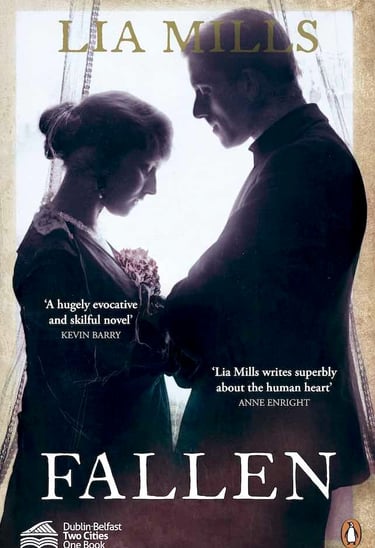
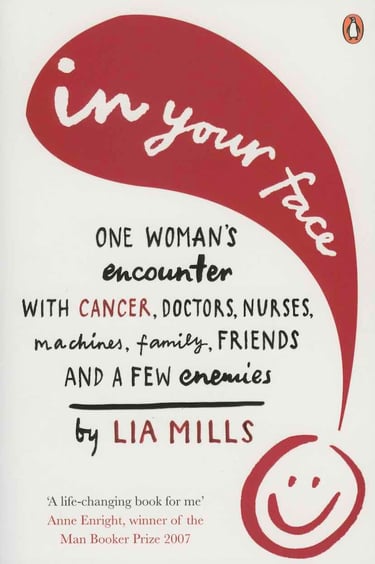
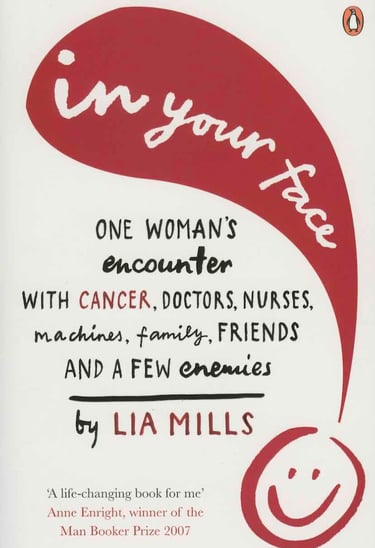
Lia Mills writes fiction, creative non-fiction, memoir and occasional reviews. Her novel, Fallen, was the Dublin/Belfast Two Cities One Book selection (2016). Her work has appeared in many journals and has been widely anthologised. An experienced creative writing teacher, workshop facilitator and occasional editor, she has held several residencies, most recently at Farmleigh House and at UCD. She holds a Ph.D in creative writing from the University of Limerick. Lia was a founding member of the Freedom to Write Campaign (Ireland) and is an active member of Irish PEN/PEN na hÉireann. She is currently working on her fourth novel.
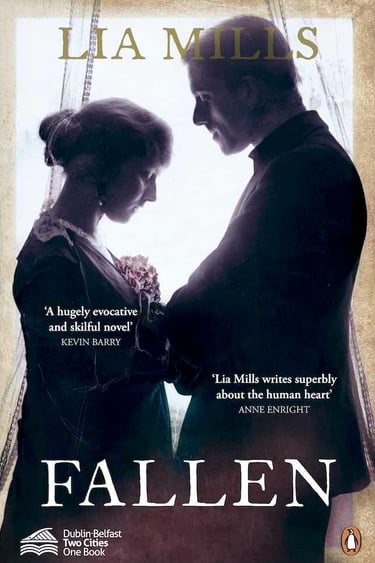
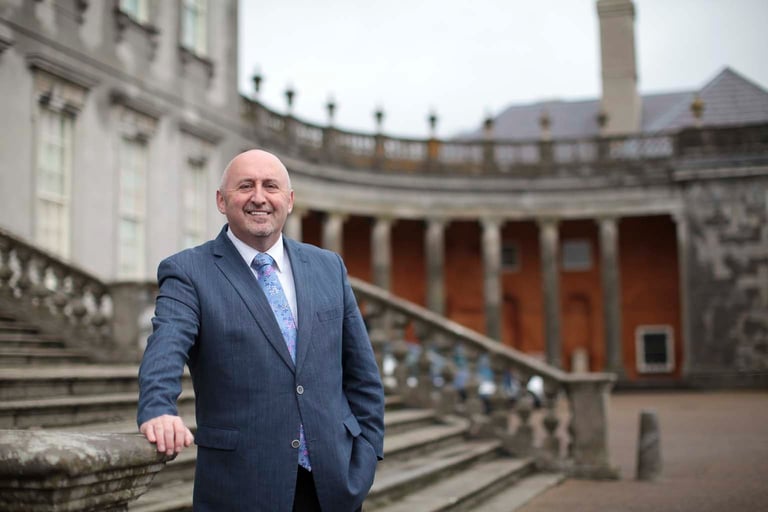
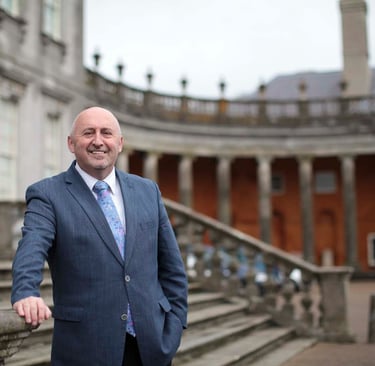
Terence Dooley
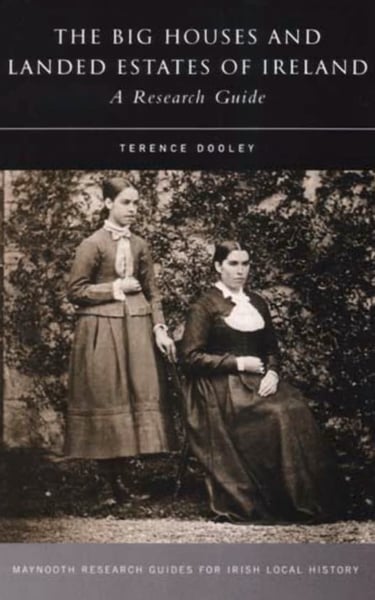
Prof Terence (Terry) Dooley is Professor of History at Maynooth University and Director of the Centre for the Study of Historic Irish Houses and Estates. He was elected a Member of the Royal Irish Academy in 2025. In 2026-27 he will hold the position of Parnell Fellow in Irish Studies at Cambridge University.
Terry specialises in Irish social and political history of the 19th and 20th centuries, particularly the history of Irish country houses and the landed class; land and politics in independent Ireland; the working of the Irish Land Commission from 1881 to 1992; the revolutionary period 1916-23; and local history in Ireland.
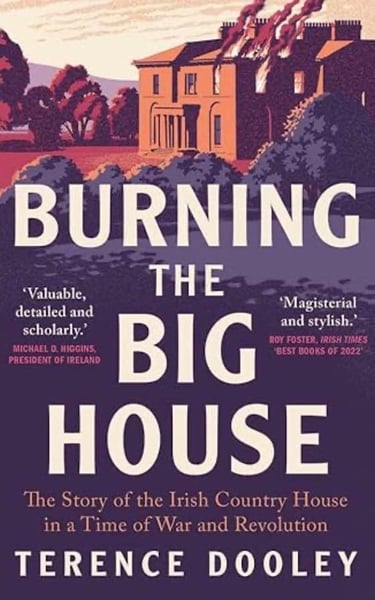
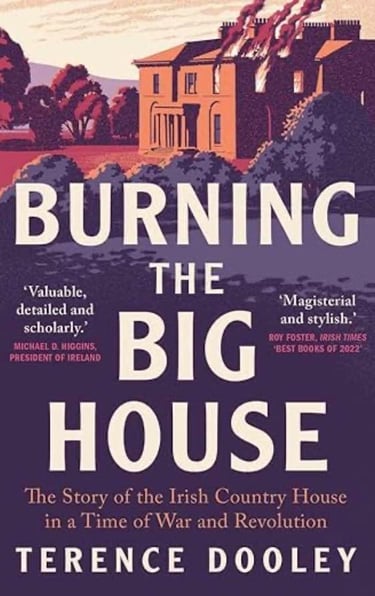
Terry’s many publications include the books: ‘The decline of the Big House in Ireland’ (2001), and ‘Burning the Big House: the story of the Irish country house in a time of war and revolution’ published by Yale University Press in 2022. His 2003 report, 'A future for Irish historic houses?' led to the establishment of the Irish Heritage Trust in 2006, and has widely been acknowledged as having changed public and political attitudes towards the preservation of the country house in Ireland.
Writers seeking inspiration from their Irish ancestry often encounter stumbling blocks. Notoriously, the fire at Dublin’s Four Courts, during the Irish Civil War in 1922, destroyed the Public Record Office, with its centuries of documents including land and census records, creating a headache for the modern researcher. But for those tracing rural ancestors, archives preserved by the landed estates often supply comprehensive records of landlords and tenants, enabling us to identify who lived where, with details about their circumstances and how the estates were being run day to day. Substantial collections of these archives are preserved at Castletown House, Celbridge, Co. Kildare, in the Office of Public Works - Maynooth University Archive and Research Centre (OMARC), as well as in the National Library of Ireland, Dublin. Terry has mentored many researchers who have extracted from these archives fascinating individual stories that have the potential to inspire creative writing by connecting authors securely with the past.
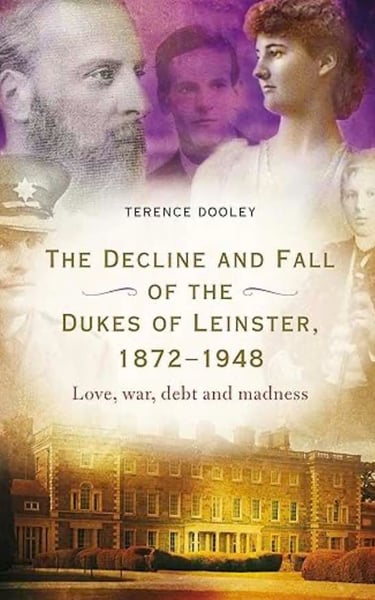
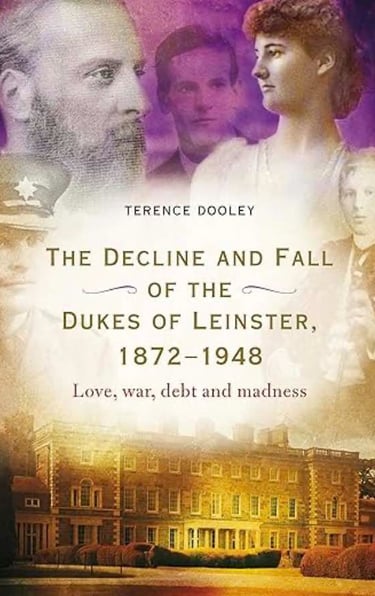
In his book ‘The decline and fall of the dukes of Leinster: love, war, debt, and madness’, Terry focused on the Fitzgerald family, linked for centuries to Maynooth. Once the most powerful family in Ireland, the Fitzgeralds built Maynooth Castle, Carton House, their Georgian mansion near Maynooth (now a luxury hotel), as well as the magnificent Leinster House in Dublin which is now the seat of the Irish Government. Terry’s research, focusing on Hermione, the 5th Duchess of Leinster, reveals the fate of the family fortunes as the old ways of life succumbed to modern political and economic pressures.
The richly textured history of the big houses and landed estates will provide you with many creative inspirations.
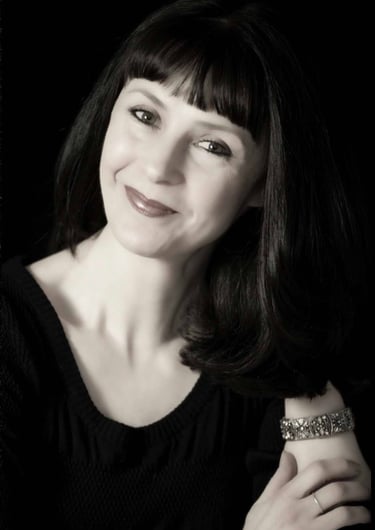
Essie Fox
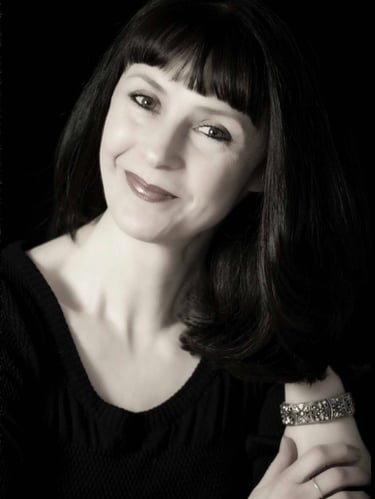
Born and raised in Herefordshire, UK, Essie studied English Literature at Sheffield University, then began a career in publishing in London. From there she became self-employed in commercial art design. Always an avid reader, she now writes historical novels.
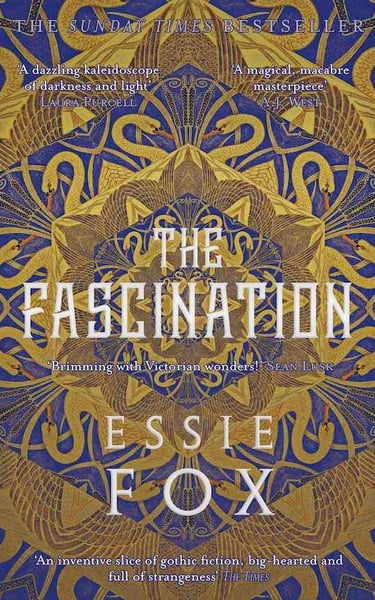
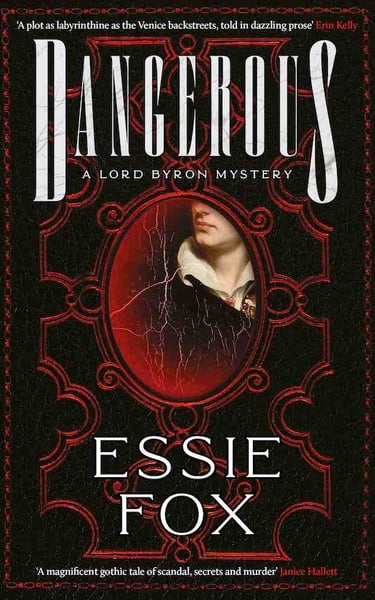
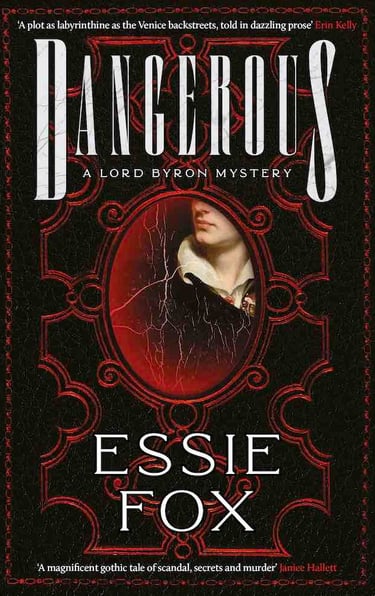
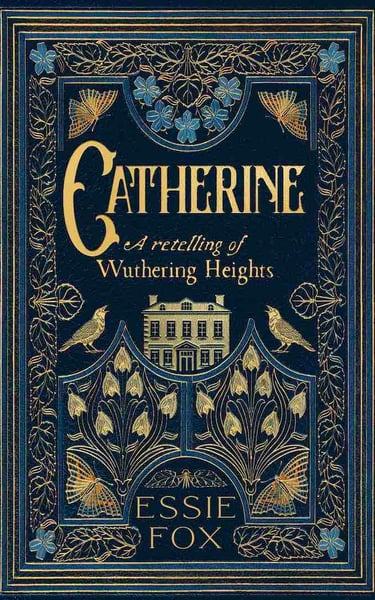
Essie's debut novel, ‘The Somnambulist’, was shortlisted for the National Book Awards, and featured on Channel 4’s TV Book Club. ‘Elijah's Mermaid’, ‘The Goddess and the Thief’, and 'The Last Days of Leda Grey' were all selected by The Times as Historical Books of the Month. ‘The Fascination’ was an instant Sunday Times Top Ten best seller. Most recently, ‘Dangerous’, a Regency crime thriller featuring Lord Byron during the time he spent in Venice, has also been selected as Times Book of the Month.
Essie has appeared at many literary events, has lectured at the Victoria and Albert Museum, the Westminster Library, and the National Gallery in London. She also hosts a podcast called ‘Talking The Gothic’.
Essie Fox will be in conversation with:
Karen Sullivan
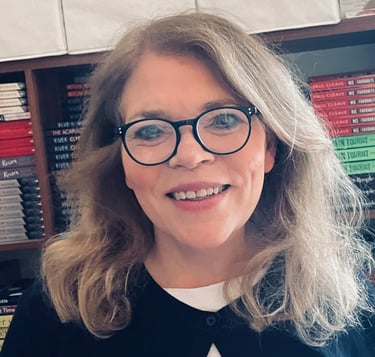
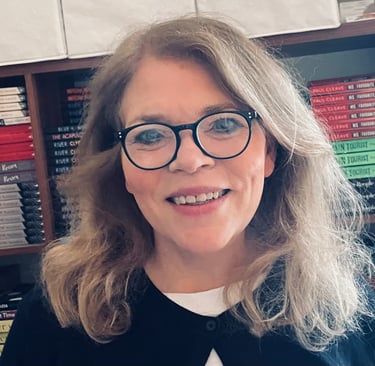
Karen Sullivan is owner and publisher of Orenda Books, an independent publisher based in London, publishing literary fiction and upmarket genre fiction, with a heavy emphasis on crime/thrillers and high-spec historical fiction, with half the list in translation.
Karen was a Bookseller Rising Star, and Orenda Books has been shortlisted for the IPG Best Newcomer Award (twice) and Small Press of the Year in the British Book Awards. They were crowned CWA Crime & Mystery Publisher of the Year in 2020 AND 2025.
Authors include Essie Fox, AJ West, Ragnar Jonasson, Eva Bjorg Aegisdottir, Lilja Sigurdardottir, Thomas Enger, Ørjan Karlsson, Johana Gustawsson, Doug Johnstone, Agnes Ravatn, Will Carver, Simone Buchholz and Antti Tuomainen.
Karen lives in London.
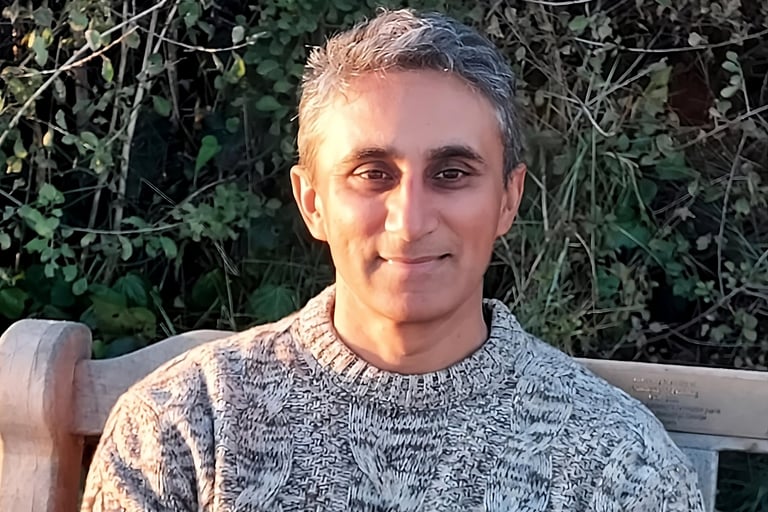
Vaseem Khan
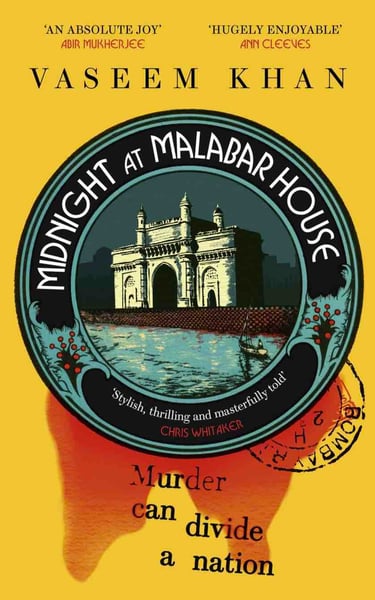
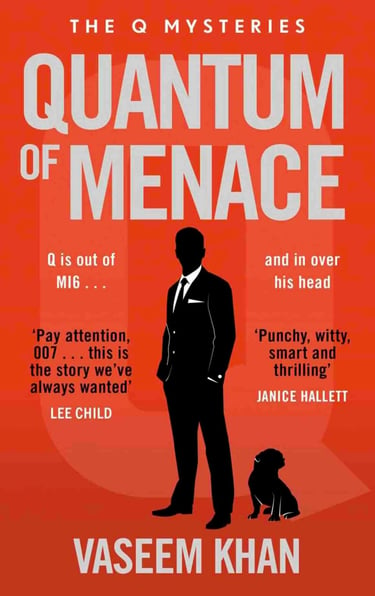
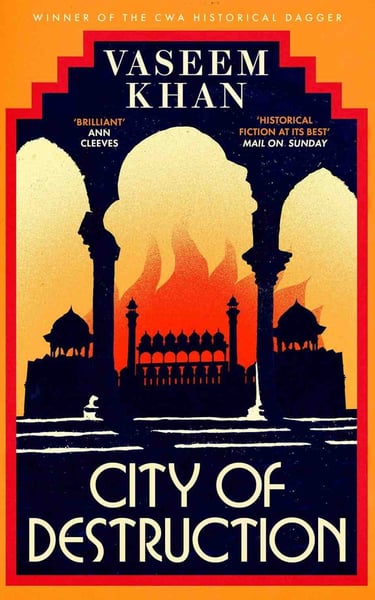
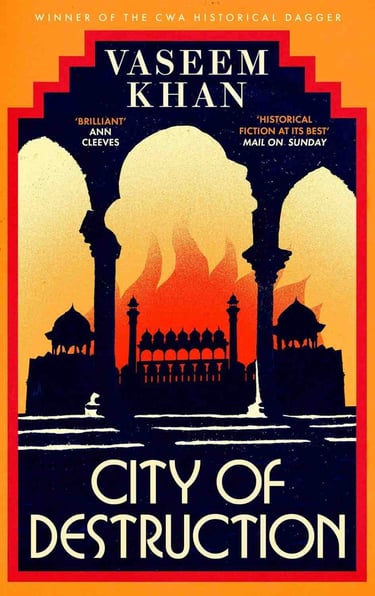
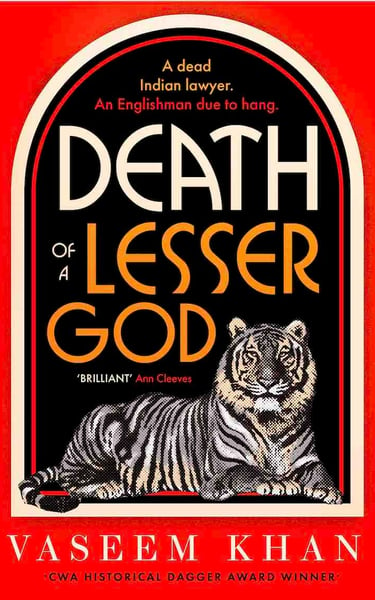
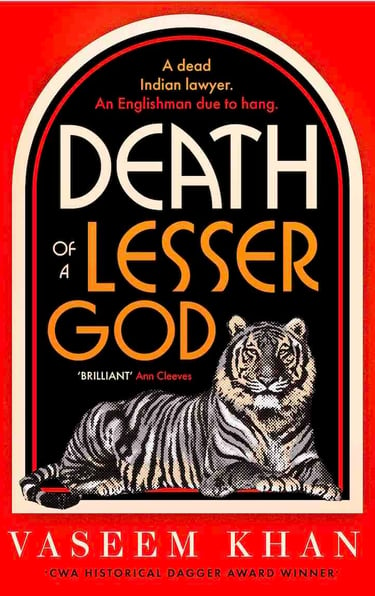
Vaseem Khan was born in England, but spent a decade working in India. He is the author of two award-winning crime series set in India, the ‘Malabar House’ historical crime novels set in 1950s Bombay and the ‘Baby Ganesh Agency’ series set in modern Mumbai.
His first book, ‘The Unexpected Inheritance of Inspector Chopra’, was selected by the Sunday Times as one of the 40 best crime novels published 2015-2020, and is translated into 17 languages. The second in the series won the Shamus Award in the USA.
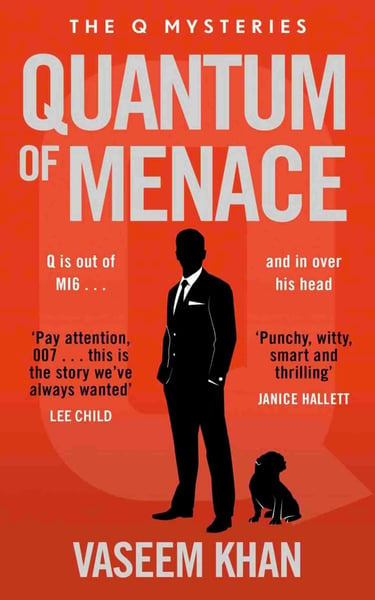
In 2018, he was awarded the Eastern Eye Arts, Culture and Theatre Award for Literature. In 2021, ‘Midnight at Malabar House’ won the Crime Writers Association Historical Dagger, the world’s premier award for historical crime fiction. He is also the author of the upcoming Quantum of Menace, the first in a series featuring Q from the James Bond franchise.
Vaseem has completed a UK Arts Council funded project called 'Turning the Page: A Guide to Writing Cultural Diversity in Fiction'. He debated with writers, readers, and industry professionals over who has the right to write which stories and how to write across cultural boundaries – creating ‘cultural appreciation’, not ‘cultural misappropriation’. We hope that he will generate lively discussion about ‘Owning the Legend’ at HNS 2026.
When Vaseem isn’t writing, he works at the Department of Security and Crime Science at University College London where he helps manage the Dawes Centre for Future Crime. He co-hosts the popular crime fiction podcast, ‘The Red Hot Chilli Writers’. In 2023, Vaseem was elected the first non-white Chair of the Crime Writers’ Association (the CWA), the oldest and largest association of crime writers in the UK.
Kate Nash

As a former author, publisher, publicist and marketer, Kate has seen every side of publishing and set up her own literary agency so she could do “the best job in publishing”. Kate’s reading tastes – from crime fiction to rom coms – are highly commercial.
Kate has a degree in History (BA Hons.) from the University of York and later garnered two undergraduate modules in Creative Writing and Literature from the Open University (both with Distinction!). She also holds a postgraduate certificate from the Chartered Institute of Marketing (CIM).
Kate Nash is listed in the Top 20 in UK Fiction by Publishers Marketplace, based on number of deals made. Kate was named a Bookseller Rising Star in 2018 and was awarded Agent of the Year by the Romantic Novelists’ Association in 2019. She was also shortlisted for both Literary Agent of the Year by the British Book Awards and Literary Agent of the Year by the Romantic Novelists’ Association in 2022. Kate enjoys travel, wine, the theatre and fine art.
Kate's Substack 'Slushpile Mountaineering' is her main presence on social media.
Kate Nash will be in conversation with Katherine Mezzacappa (see above) and with Paula Campbell, Publisher, Poolbeg Press.
"When the legend becomes fact, print the legend..."
Subscribe for email updates:
© 2025, 2026. All rights reserved.
Web design: Maybelle Wallis
Special thanks to Ireland's Content Pool for permission to use images
Contact the HNS 2026 team:

Proudly sponsored by Fáilte Ireland, by the Irish Writers' Union, and by Larbok Creative:


Extend your stay - Discover Ireland!

Hosting Irish PEN: